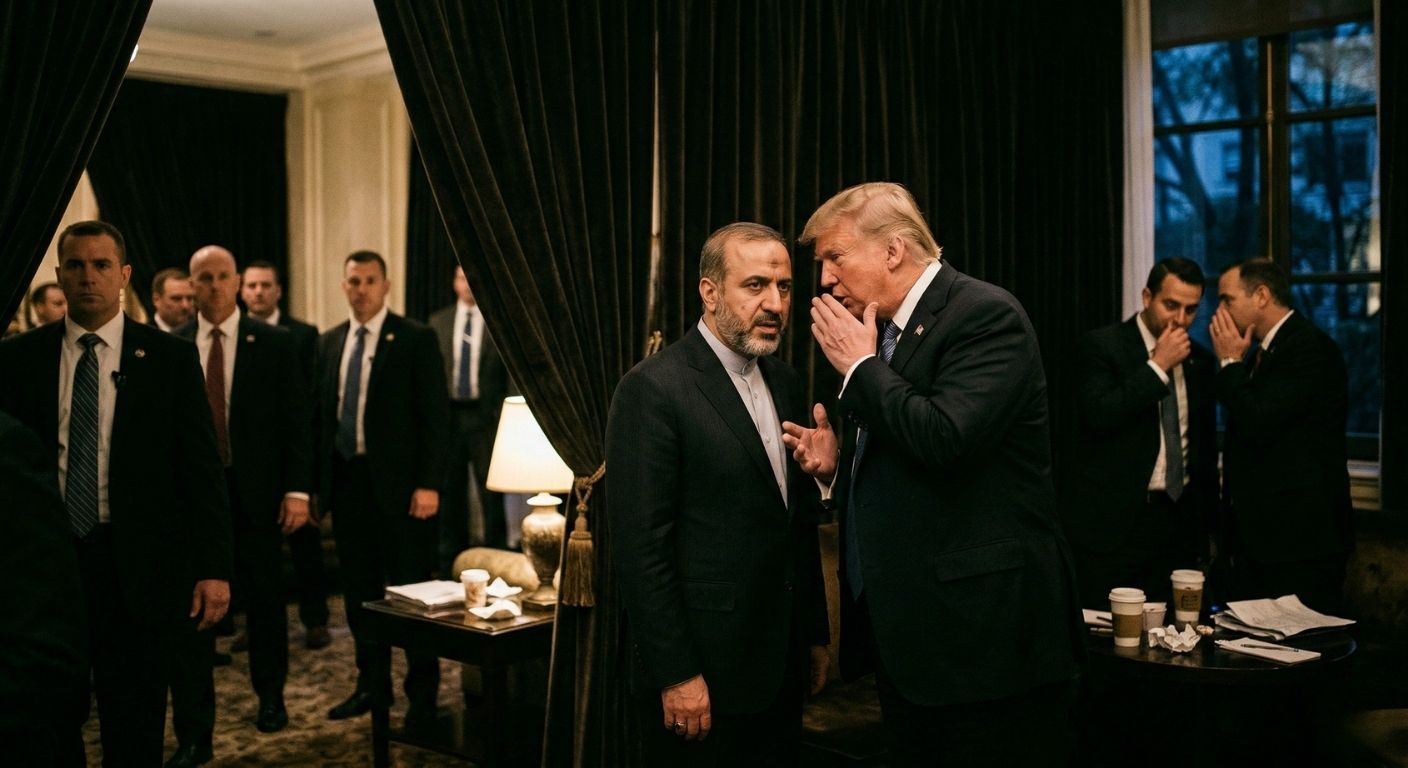
The geopolitical landscape of US-Iran relations has long been characterized by a complex interplay of animosity, strategic maneuvering, and intermittent, often clandestine, diplomatic overtures. Under the administration of President Donald Trump, this dynamic reached new levels of intensity and unpredictability. While public rhetoric often painted a picture of unwavering confrontation, particularly following the US withdrawal from the Joint Comprehensive Plan of Action (JCPOA) and the imposition of a "Maximum Pressure" campaign, behind the scenes, the narrative was far more intricate. The world watched as tensions escalated, sanctions tightened, and military standoffs threatened to erupt into open conflict. Yet, beneath this public-facing drama, a parallel universe of backchannels, strategic leaks, and internal power struggles was constantly at play, giving rise to what might best be described as diplomatic "gossip"—not in the trivial sense, but as the informed speculation and analysis of unconfirmed reports that shape our understanding of high-stakes international negotiations. This exploration delves into the reported, alleged, and inferred dynamics of the Trump administration's engagement with Iran, seeking to illuminate the hidden complexities that often elude public discourse, all while maintaining a professional and balanced perspective on a deeply sensitive subject.
The Diplomatic Chessboard: Public Posturing and Private Probes
The Trump administration's approach to Iran was largely defined by a significant departure from the policies of its predecessor. The cornerstone of this new strategy was the decision to unilaterally withdraw from the JCPOA in May 2018, an agreement that had been painstakingly negotiated by global powers to curb Iran's nuclear program in exchange for sanctions relief. This withdrawal, coupled with the subsequent implementation of a "Maximum Pressure" campaign, aimed to cripple Iran's economy and compel it to negotiate a new, more comprehensive deal covering its nuclear activities, ballistic missile program, and regional influence. Publicly, the rhetoric from Washington often emphasized a refusal to negotiate with Tehran unless Iran met stringent preconditions, including a complete cessation of uranium enrichment and an end to its support for regional proxies. However, beneath this seemingly unyielding stance, there were persistent indications that the Trump administration, and President Trump himself, harbored a desire for a diplomatic breakthrough, a "better deal" that would cement a legacy of successful deal-making.
The "Maximum Pressure" Campaign and its Dual Edge
The "Maximum Pressure" campaign was designed to exert immense economic pain on Iran, with the explicit goal of forcing its leadership to the negotiating table on US terms. Sanctions targeted Iran's oil exports, financial institutions, and key sectors of its economy, leading to a significant contraction of its GDP and a sharp depreciation of its currency. While proponents argued that this pressure was necessary to curb Iran's malign activities, critics warned that it could destabilize the region further and push Iran toward greater defiance rather than compliance. This strategy created a paradox: while the US was applying unprecedented pressure, it was simultaneously, and often subtly, signaling an openness to talks. The message from Washington was often contradictory, with officials sometimes emphasizing a desire for dialogue, while others reinforced the hardline stance. This duality contributed significantly to the climate of uncertainty and the proliferation of "behind-the-scenes gossip" regarding the true intentions of both sides.
From Iran's perspective, the sanctions were an act of economic warfare, a violation of international law, and a betrayal of the JCPOA. Tehran consistently maintained that it would not negotiate under duress and demanded the lifting of sanctions as a precondition for any dialogue. This created a seemingly insurmountable impasse. Yet, even as Iranian leaders publicly condemned US aggression, there were whispers and reports of internal debates about how to respond to the pressure, and whether any form of engagement, however indirect, was feasible or desirable to alleviate the economic hardship on its populace. The tension between public defiance and the practical need for economic relief fueled a constant stream of speculation about Iran's true willingness to engage.
The Role of Intermediaries and Backchannels
In the absence of direct, high-level communication channels, third-party intermediaries played a crucial role in attempting to bridge the diplomatic chasm between Washington and Tehran. Nations with historical ties to both countries, or those with a vested interest in regional stability, stepped forward to facilitate dialogue. Oman, with its long-standing tradition of quiet diplomacy, was often cited as a potential conduit, having played a similar role in the lead-up to the JCPOA negotiations. However, it was European nations, particularly France, that took the most visible and persistent efforts to mediate. French President Emmanuel Macron made repeated attempts to de-escalate tensions and bring the two sides together, culminating in notable initiatives.